Reliable, Affordable, Long Lasting Repair!!
GALLERY
LET THE PROS TAKE CARE OF IT!
SERVICES
Stone Foundation
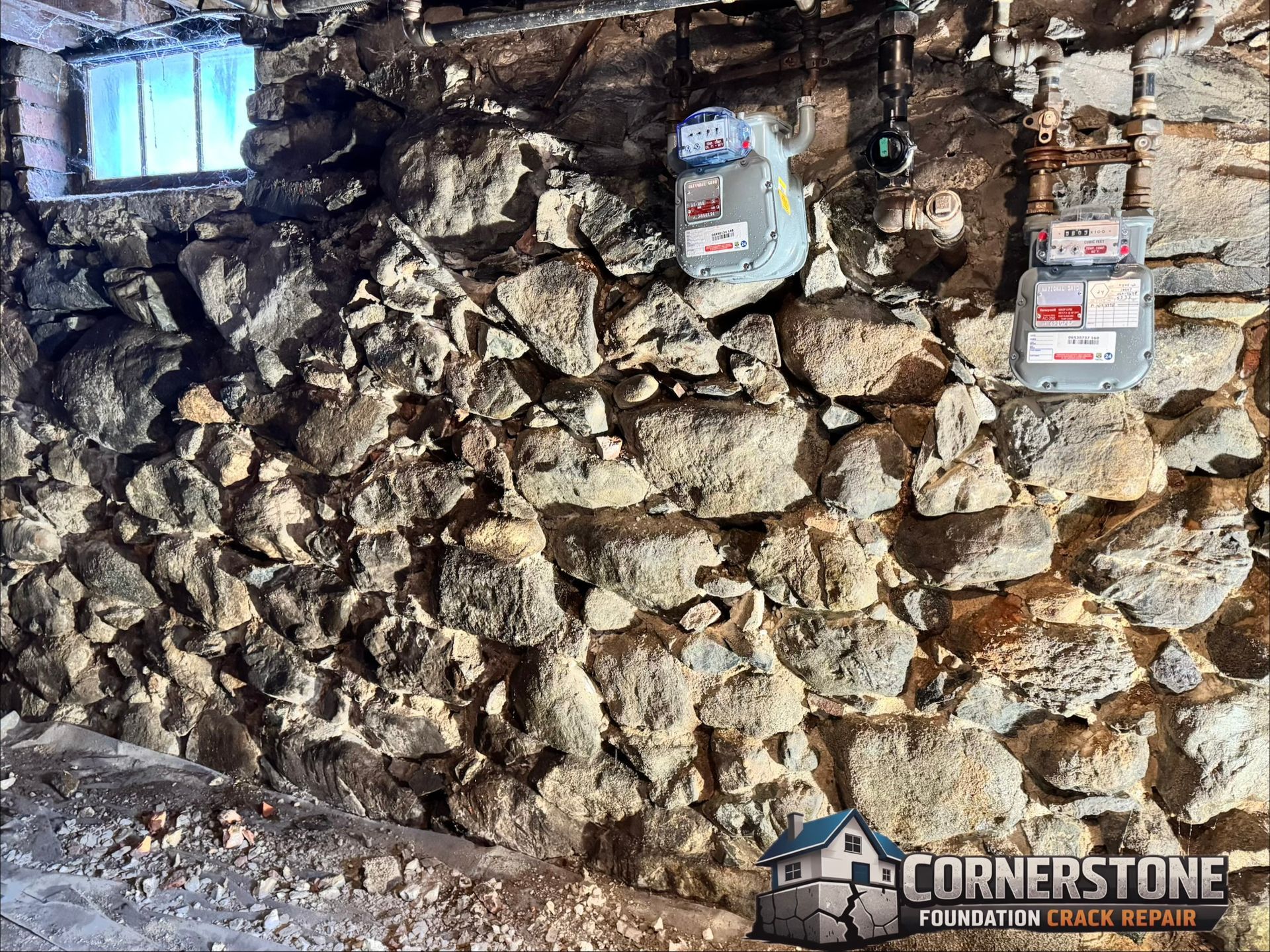
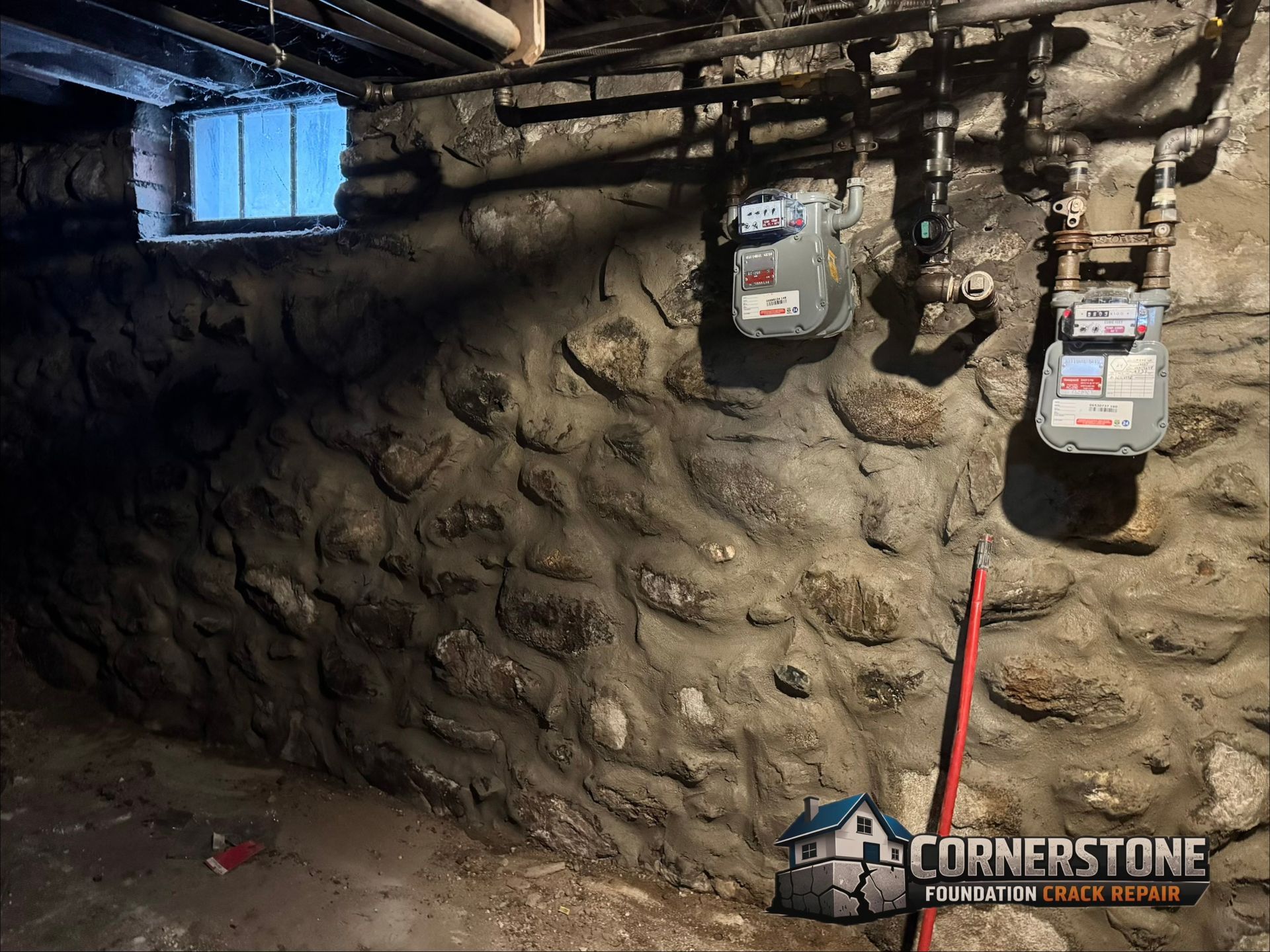
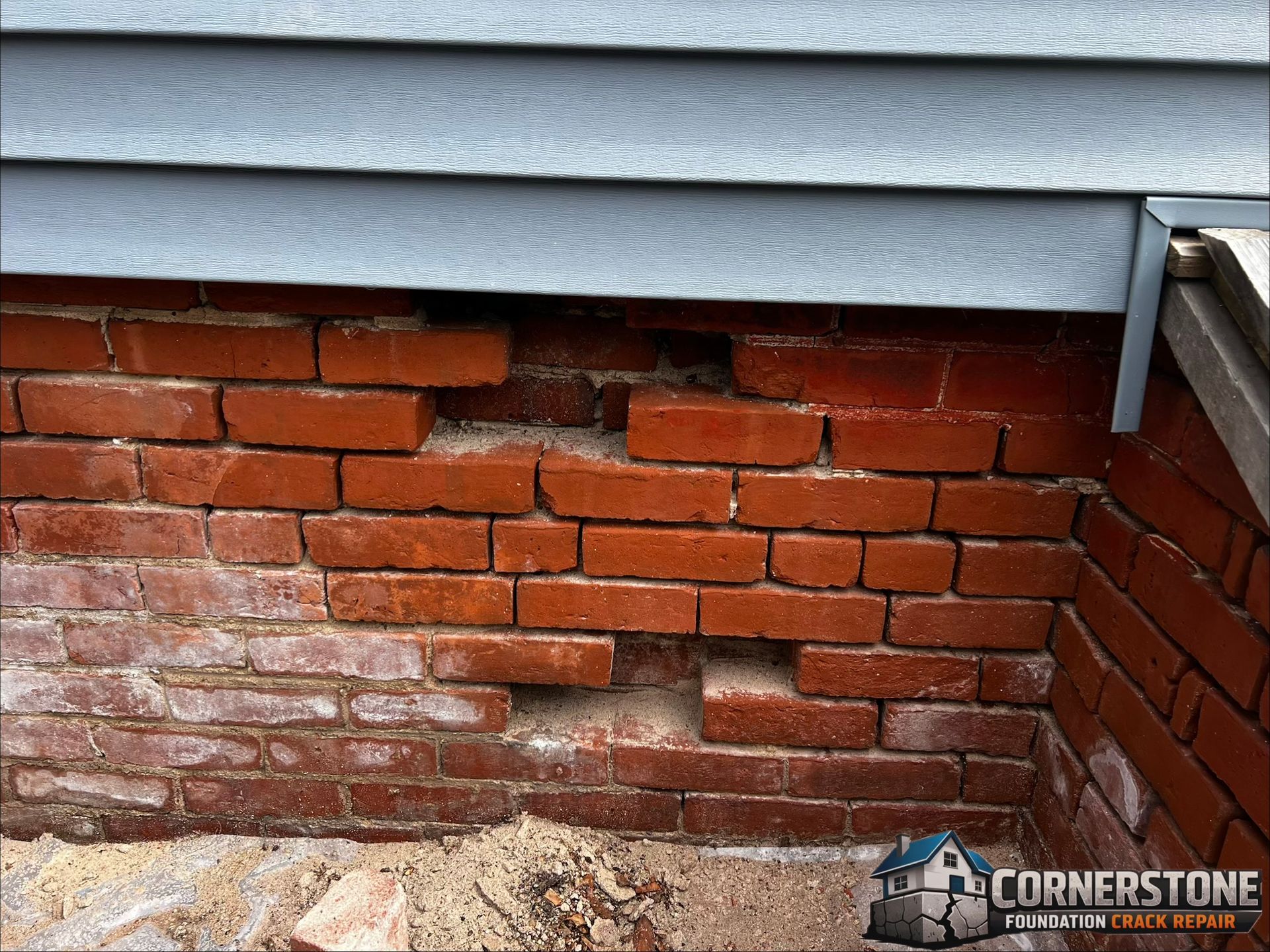
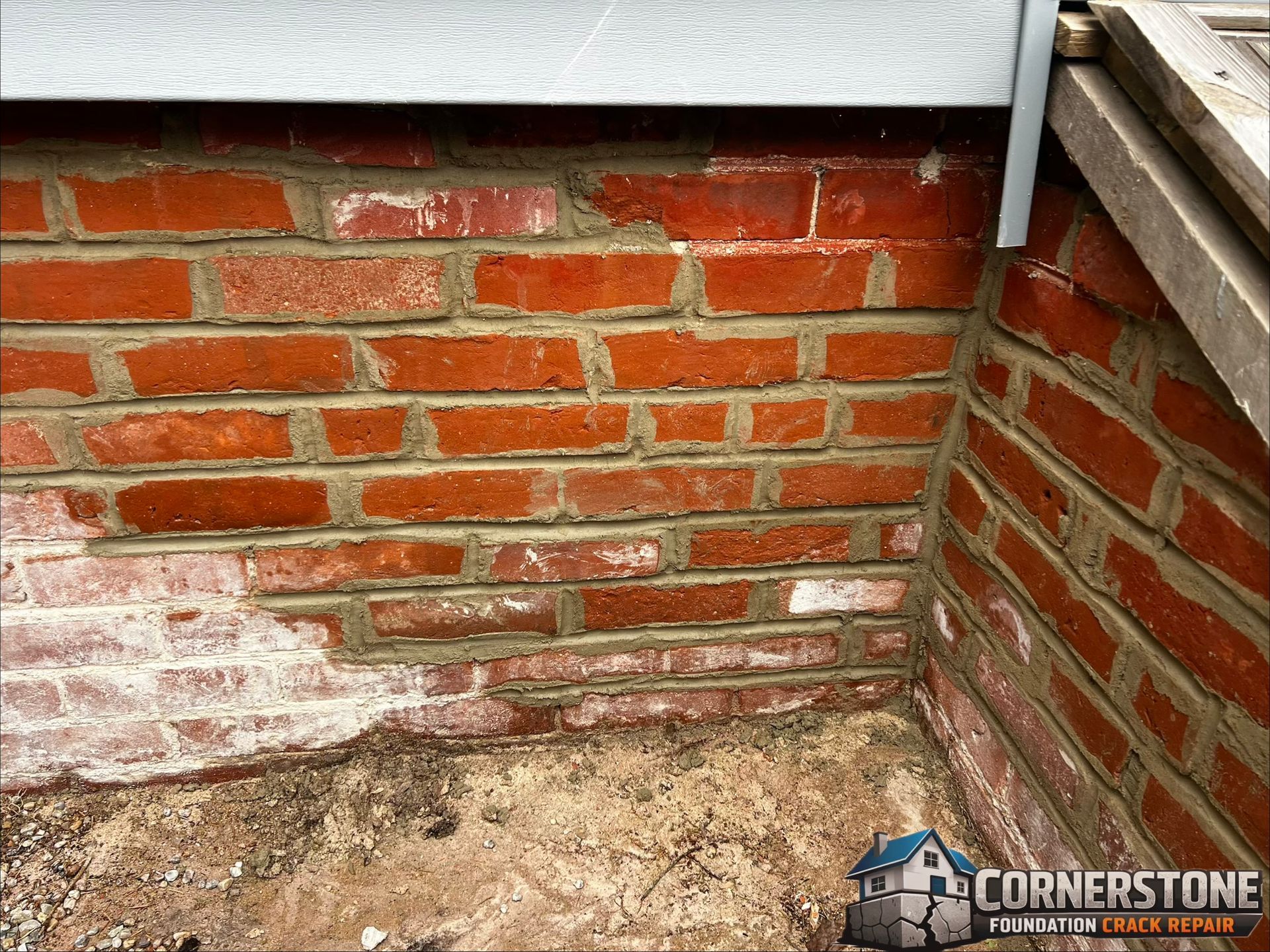
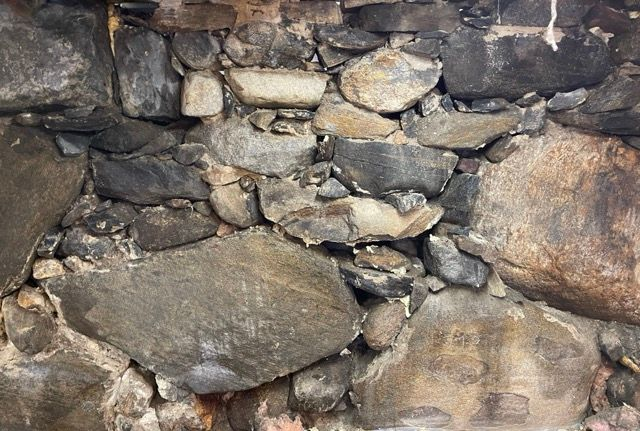
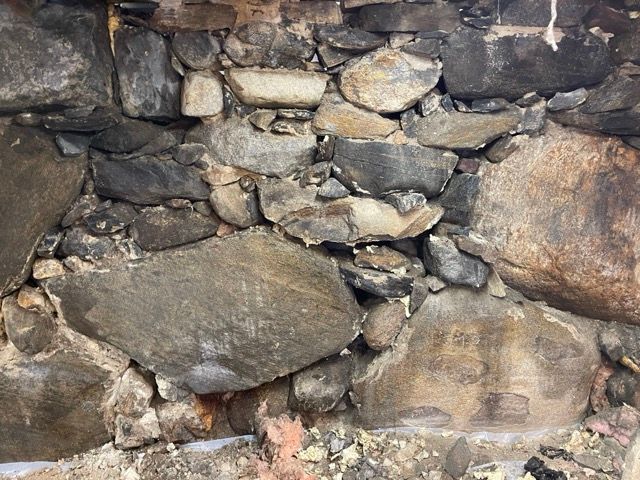
Repointing an older fieldstone foundation is necessary when the existing mortar has deteriorated because the mortar is a critical structural and protective component of the foundation. In traditional fieldstone foundations, the stones themselves are strong, but it is the mortar that binds them together, distributes loads evenly, and prevents movement. As mortar ages, it can crack, crumble, or wash out due to moisture intrusion, freeze–thaw cycles, and natural weathering. Once the mortar deteriorates, stones can loosen or shift, compromising the stability of the foundation.
Deteriorated mortar also allows water, air, and pests to penetrate the foundation. Moisture intrusion accelerates further mortar loss, promotes interior dampness, and can lead to mold growth, efflorescence, and interior damage. In colder climates, trapped water expands during freezing conditions, worsening cracks and causing stones to displace. Repointing replaces failed mortar with new, compatible mortar, restoring the foundation’s integrity while allowing it to breathe properly.
lally column instalation/replacement
Lally columns are essential components in both residential and commercial construction, providing critical support to beams and floor systems. These steel columns, filled with concrete, are designed to transfer the weight of upper floors down to the foundation, preventing sagging and structural shifts.Installing or maintaining lally columns helps keep your home stable and protects it from long-term structural problems. They are a simple but important way to prevent more serious and costly repairs in the future.
parge/resurfacing foundation
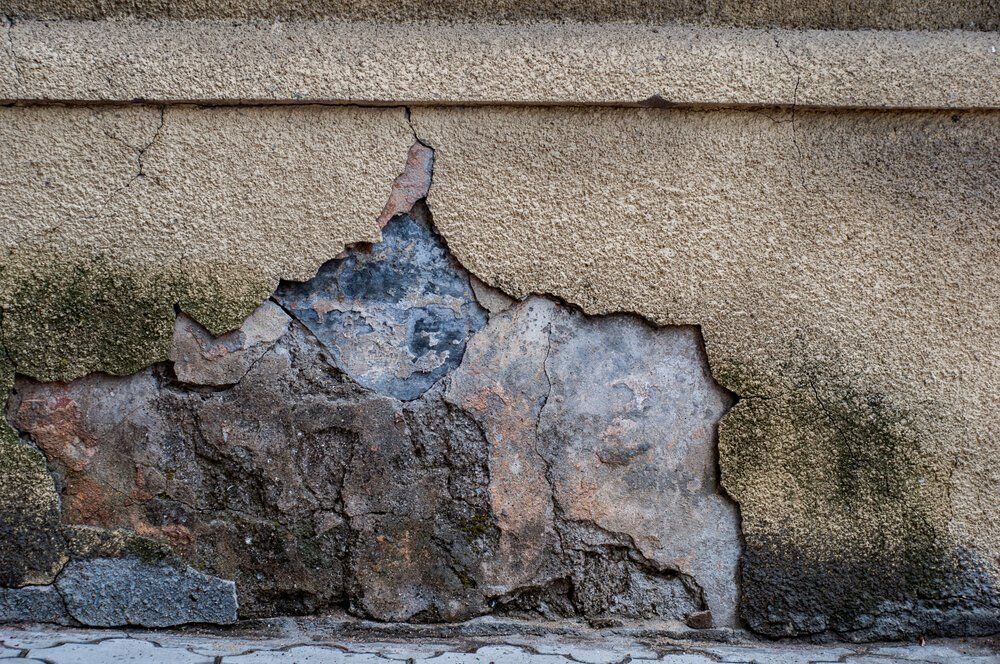
Parging a foundation is important because it helps protect your home from moisture and everyday wear. The smooth coating covers small cracks and gaps, helping keep water out and reducing the chance of dampness or damage inside the basement.
Parging also helps protect older or exposed foundation surfaces from further deterioration and gives the foundation a cleaner, finished appearance. It’s a simple step that can help prevent bigger, more expensive repairs in the future.
concrete wall cracks
Epoxy injection is used to repair cracks in concrete walls by sealing them and restoring strength to the damaged area. The epoxy fills the crack completely, preventing water from entering and stopping the crack from spreading further. This helps protect the wall from moisture-related damage and reduces the risk of future deterioration.
This type of repair is especially effective for structural or actively leaking cracks. It is a long-lasting solution that helps maintain the integrity of the wall and can prevent more costly repairs if the crack were left untreated.